Month: May 2026
-
Women’s Leadership and Church Culture
Some countries demonstrate greater or lesser acceptance of women as leaders and/or ministers, but the biggest barrier against women in the Church crosses all territorial boundaries. It is the culture of clericalism.
-

Webinar: Pope Leo and Just War Theory
When: Thursday, 11 June at 7 pmWhere: Zoom, details by registration Pope Leo XIV and Just War Theory in the Catholic Tradition How should Catholics think about war, peace, and moral responsibility in an age of global conflict and human suffering? This webinar will explore Pope Leo’s contribution to Catholic social thought and the development…
-
St Francis Teaches Us
This week is Laudato Si Week. It is opportune to look at what St Francis taught us about our place in Creation. In the article that follows, the author points out that St. Francis taught us that to obey Christ is sometimes to disobey the church. https://www.ncronline.org/opinion/st-francis-teaches-us-obey-christ-sometimes-disobey-church
-
Towards a Spirituality of Synodality
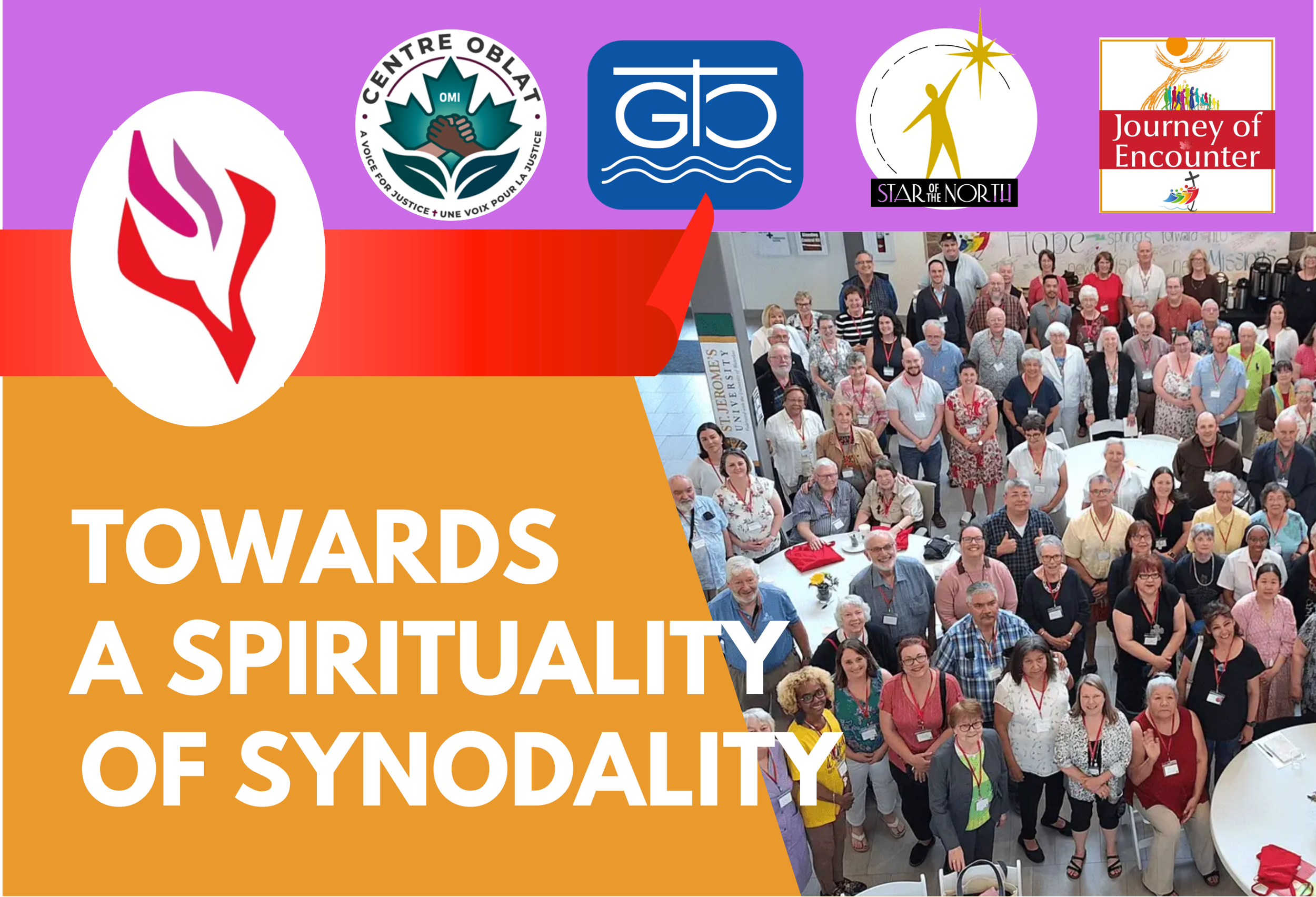
Concerned Lay Catholics (Canada) is offering an online event about the spirituality of synodality.
-
More thoughts about war
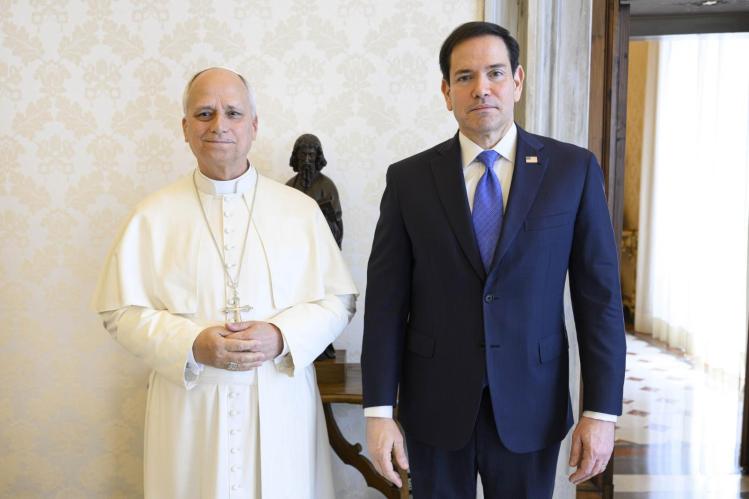
Pope Leo has been a critic of the USA-Israel war on Iran. The article linked here shows how he stands firmly in the tradition of Popes over the past 50 years.
-
Just war?
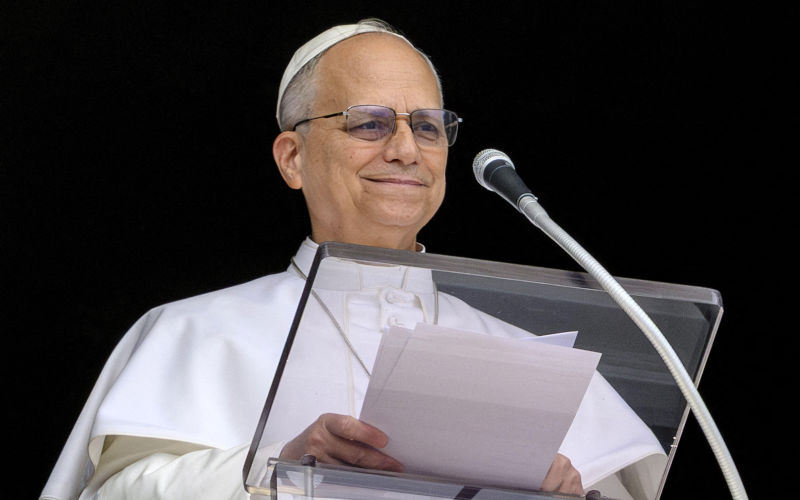
Catholics in the USA could be forgiven if they are confused by the apparent conflict between their President and ‘their’ Pope. It must be especially troubling for the more conservative among them. Over recent decades they stood firmly behind two conservative Popes, John Paul II and Benedict, but found Francis sufficiently confronting that many rejected…
-
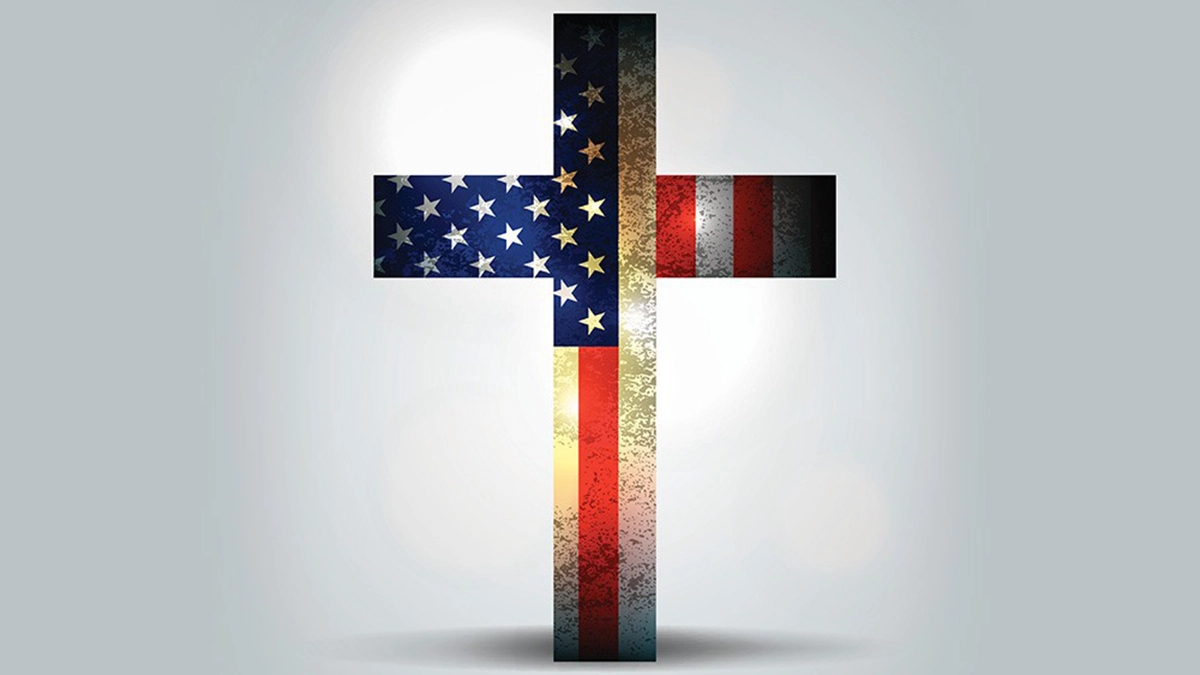
Authentic tradition, authentic voices and religious nationalism
J P Grayland In this article, J P Grayland looks at the recent “war of words” between the U.S. President, Vice President, and Pope Leo XIV. “Understanding the recent conflict within a broader setting helps Christians avoid resorting to popularist responses or adopting oversimplified theological commentary.” He goes on to raise questions about the implications…