Category: Views
Original contributions from ARC members
-

Offer it up
Like many ARC members, I am old enough to have memories of growing up in the pre-Vatican II Catholic Church. Mandatory penitential acts, like abstaining from meat on Fridays, fasting on prescribed days, and giving up sweets for Lent were part and parcel of life. Friday abstinence was sufficiently well known as a marker of…
-
Synodal challenges
In recent years dioceses across Australia and around the world have been nudged into conducting synods. In the case of my diocese, Toowoomba, the synod I attended last week was the second in its history; the first was in 1948. In the intervening decades there have been diocesan pastoral councils and occasional broader gatherings to…
-
Why the Australian Church needs a vision, not just a process
A great article from Andrew Phelan, springing from what is happening in Canberra-Goulburn, speaks of the whole Australian situation. He emphasises the need for the church to go to its roots, tap genuinely into the sensus fidei, if it’s to become relevant. In the quote below referencing Francis, he writes of the need for a ‘contextual theology’…
-
Human growth and faith development
In a recent essay, the historical theologian John Dick draws on James W. Fowler’s Stages of Faith to explore how our faith changes and develops throughout life. Dick’s final questions seem particularly relevant to those of us interested in Church reform. Do our Church practices – liturgy, theology, doctrines and homilies – encourage faith development, or do…
-

Religion and Structural collapse
I came across this article by the historian Francis Young. The examples he gives of what he calls structural collapse seem to me to be particularly relevant to our interest in Church reform. I think his examples are well worth considering.
-

Does the Spirit speak in every heart?
We all think about the questions of religion – but usually do so in a very confused manner. Theology can help us do it better – and the more ably we think about religion, the more we can replace discord with discourse.
-

The Unfinished God in an Unfinished Universe
In this article Ilia Delio looks at the quarrel between ‘Catholic’ and ‘Process’ theology. Thomas Aquinas, drawing on Aristotle and Democritus, the father of atomic theory who said that at bottom nothing changes, described God as perfect being itself. Alfred North Whitehead and Pierre Teilhard de Chardin stand with Heraclitus. For them, being is relational. To be is…
-
History may not have the answers
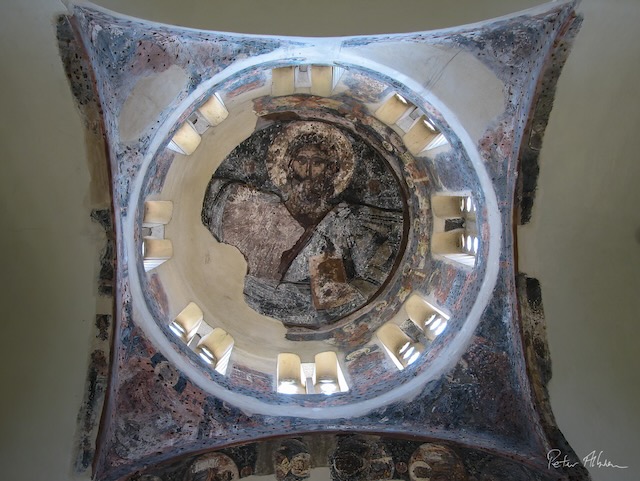
Much of the debate around the ordination of women to the diaconate or priesthood hinges on the interpretation of the early history of the Church. Were the women referred to as deacons really admitted to the same role and status as men who bore the same title? Did women really preside over early eucharistic home…
-

ARC member survey
Australian Reforming Catholics (ARC) seeks to enhance communication with its members. To assist our efforts, the ARC Secretariat has developed a short online survey. The questions are intended to help gauge interest in, and value placed on, current communications including the quarterly ARCVoice, weekly mailings from the website, and opportunities members have for comment and…
-
Are we misinterpreting the parable of the wedding feast?
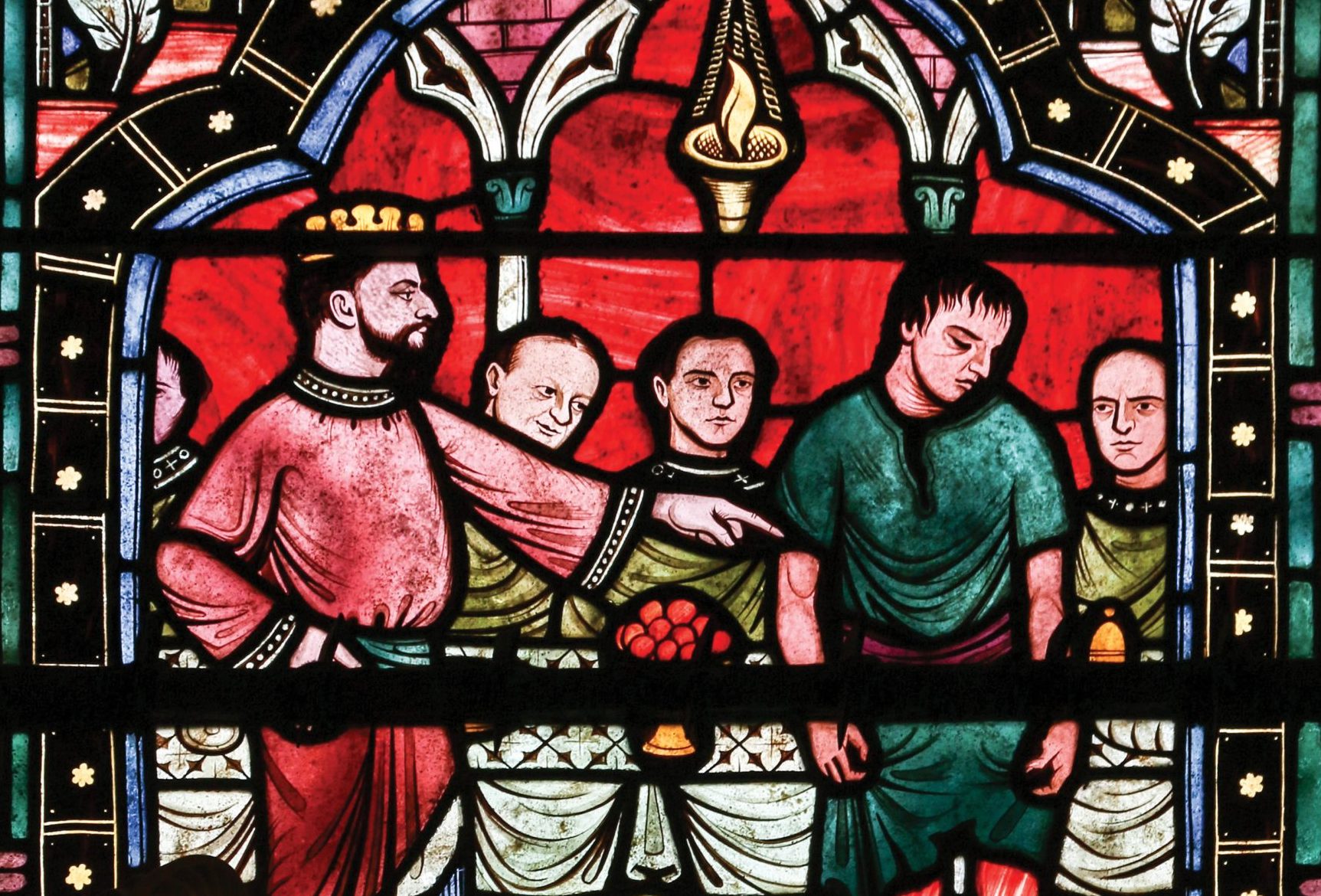
The pairing of the Gospel reading for this Sunday with the passage from Isaiah about the feast to be provided by God naturally leads us to think of the king in Matthew’s parable as representing God. A commentary by Tobias Winright on the Catholic Moral Theology site cites one source that makes the alignment explicit:…